Brass jewelry has become one of the most popular choices for fashion brands, jewelry designers, and wholesalers across the US, Europe, and Australia. It’s affordable, stylish, and has a warm golden tone that resembles real gold.
But many buyers share the same frustration:
“I love brass jewelry, but it turns dark and dull after a few weeks. What should I do?”
If you’ve ever faced tarnish, green marks on the skin, or constant polishing—this guide is for you.
We’ll explain why brass jewelry tarnishes, how to clean it safely, and how premium plating technologies like vacuum plating + PVD coating can help reduce these problems when the finish is selected for the product and its intended use.
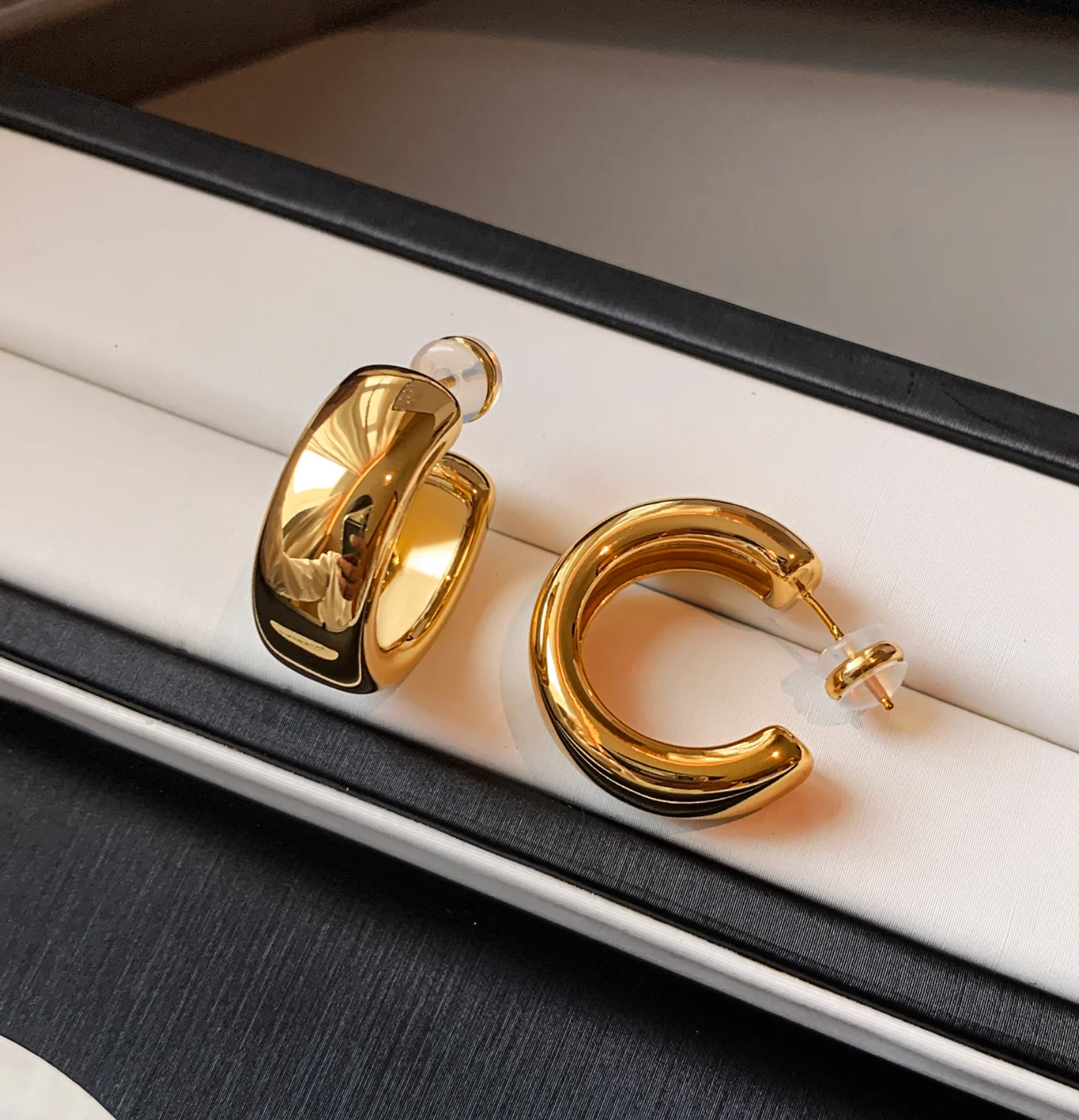
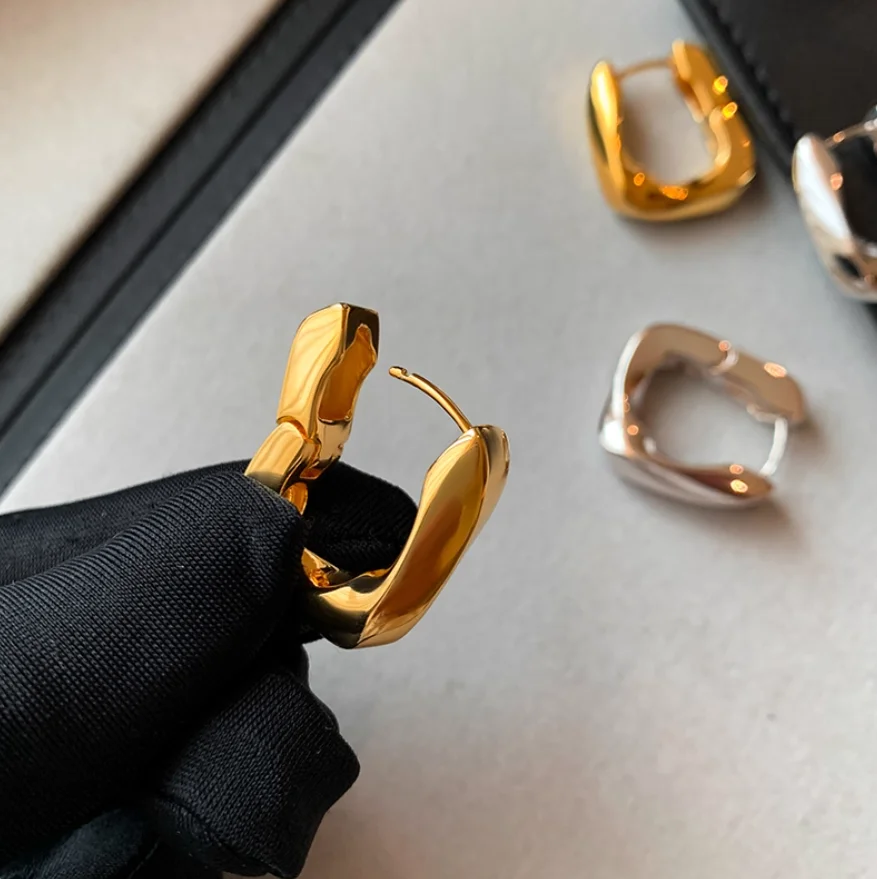
Plating Methods: Not All Brass Jewelry Is the Same
Brass is an alloy made of copper and zinc. When it comes into contact with oxygen, sweat, humidity, or cosmetics, a surface reaction occurs. The copper reacts and forms copper oxide, which appears as:
- Dark yellow or brown stains
- Black patches
- A green surface layer (oxidized copper)
These changes are natural and do not mean the jewelry is low-quality—however, the process is much faster when:
- You wear brass jewelry during exercise
- You live in humid or coastal areas
- You apply perfume or lotion directly on jewelry
- The plating is thin or poorly sealed
🔥 The real pain point
Most tarnish issues are not caused by brass itself — but by cheap surface plating.
Traditional water plating, flash plating, or very thin gold plating washes off quickly.
Once the surface is exposed, oxidation accelerates.
How to Clean Brass Jewelry Safely at Home
If your brass jewelry has already tarnished, don’t worry. You can restore it with simple tools—no harsh chemicals.
Method 1 — Mild Soap + Warm Water (for light dirt)
- Mix warm water with a few drops of dish soap.
- Dip a soft microfiber cloth.
- Gently wipe the jewelry.
- Rinse with clean water.
- Dry thoroughly with a soft towel.
Great for daily maintenance and removing sweat or skin oil.
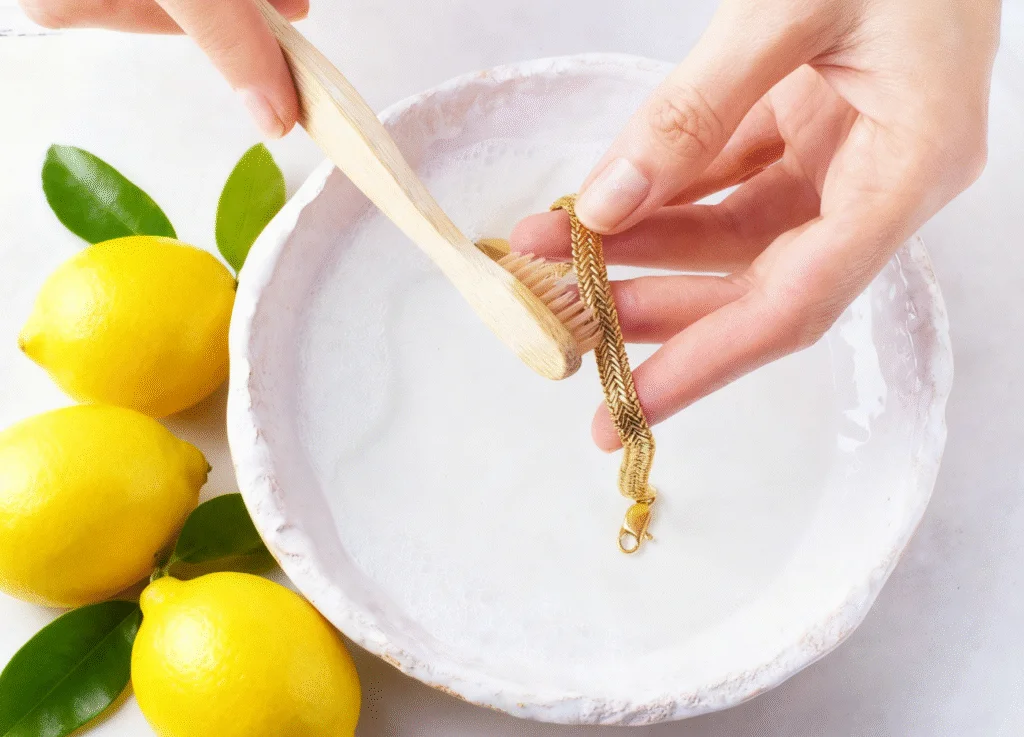
Method 2 — Lemon Juice + Baking Soda (for mild tarnish)
- Mix 1 tbsp lemon juice + 1 tsp baking soda.
- Apply with a soft cloth.
- Gently rub in circular motion.
- Rinse with warm water.
- Dry completely.
Acid balances oxidation and restores brightness.
Method 3 — Toothpaste Polish (for stubborn stains)
Use non-gel, non-whitening toothpaste.
- Apply a small amount
- Light circular motion
- Rinse thoroughly
- Pat dry
Works well for surface oxidation — not plating damage.
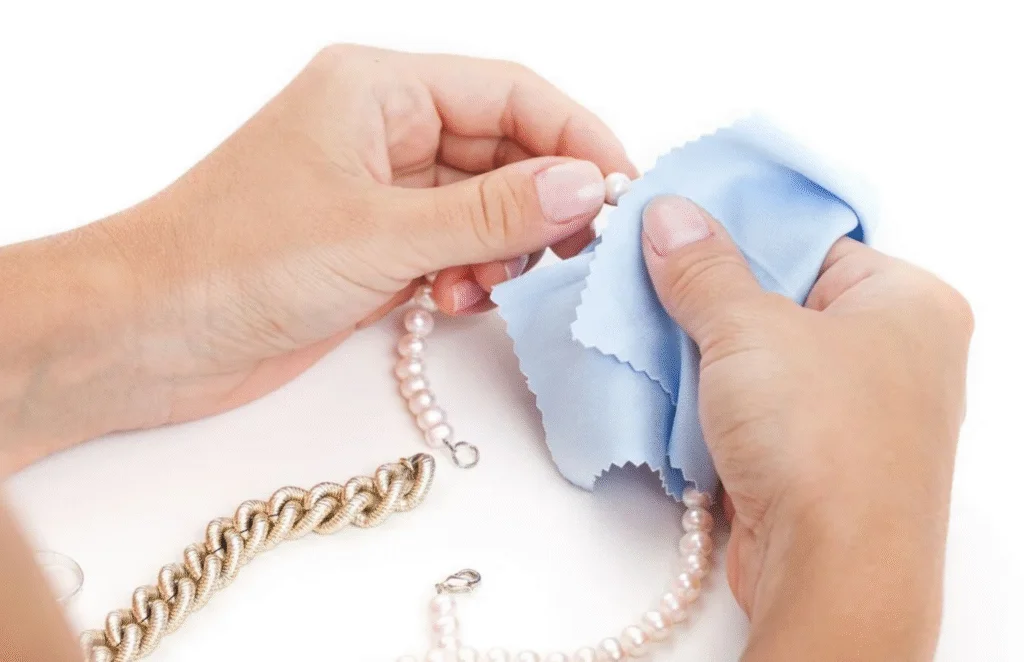
💣 Avoid These Mistakes
- No alcohol wipes
- No chemical jewelry cleaners with ammonia
- No rough cloth or brushes
- No ultrasonic cleaners
Treat jewelry-grade brass gently and follow the approved care instructions for the finish.
Choosing a Brass Jewelry Finish for Your Brand
The durability of plated brass jewelry depends on several factors, including surface preparation, plating method, coating specification, design structure, wear conditions and after-care. There is no single lifespan that applies to every product.
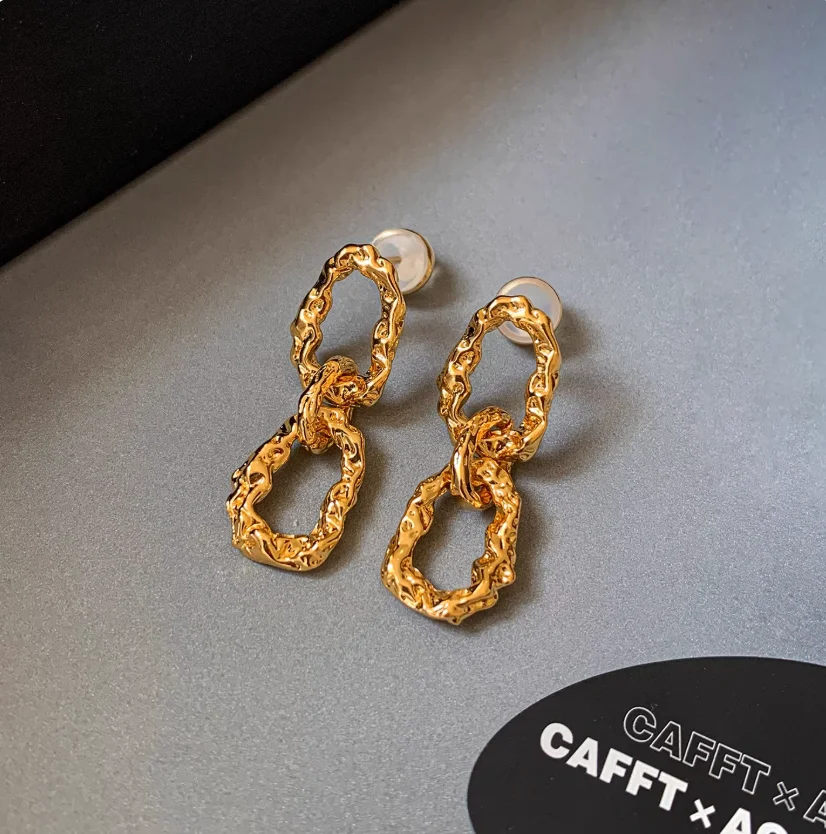
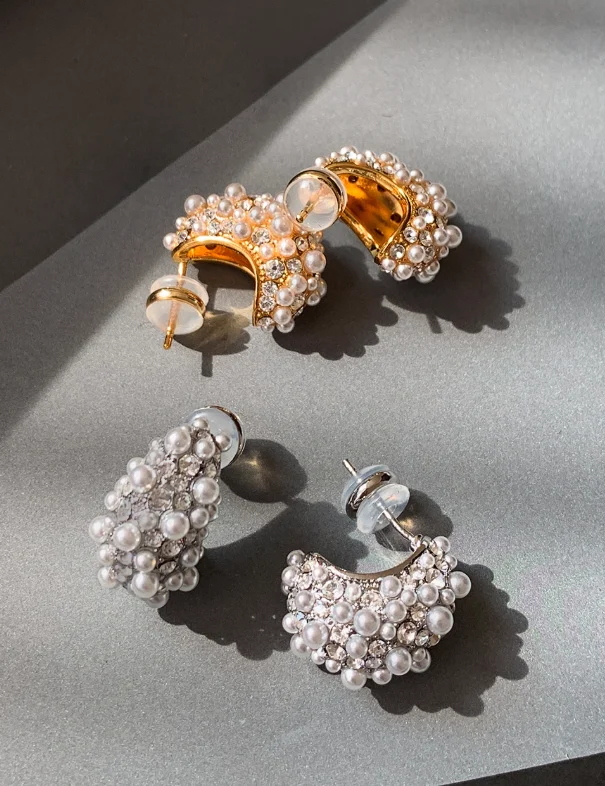
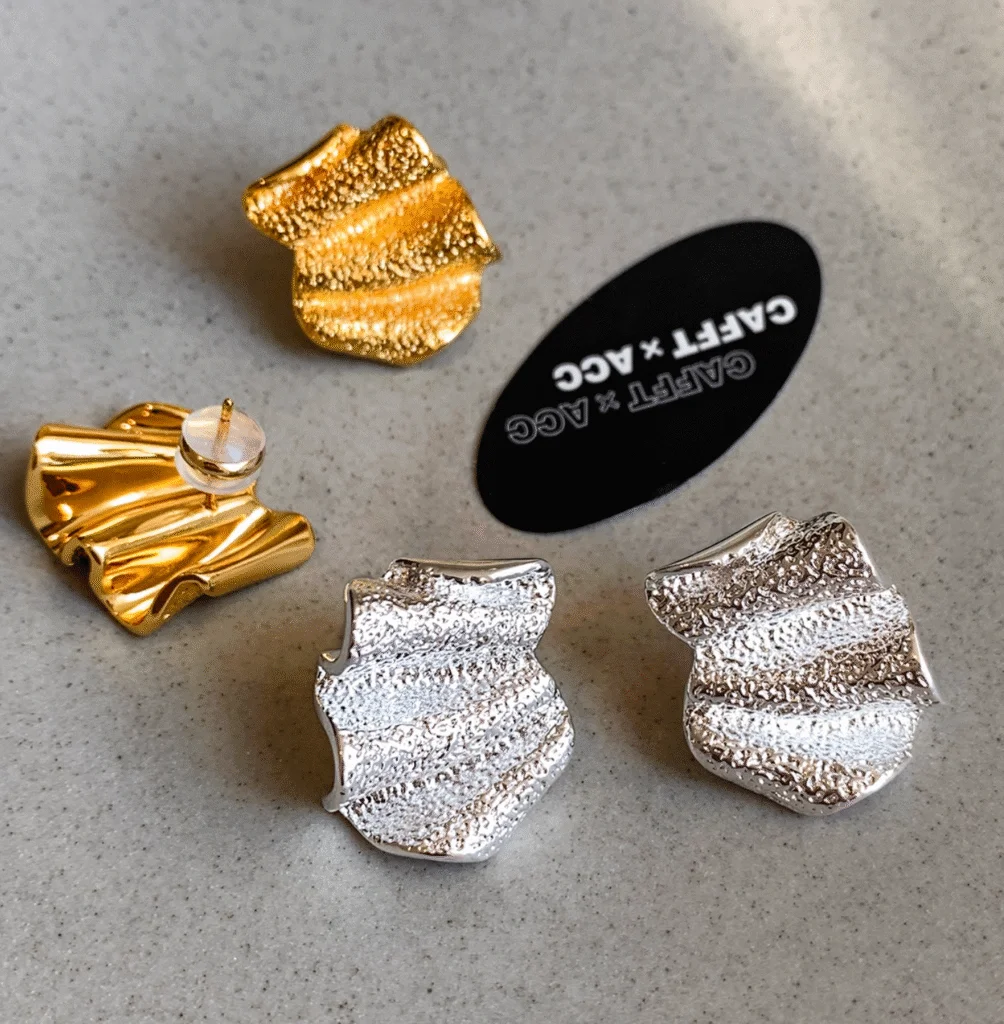
CAFFTI reviews each project according to its intended retail market, colour target, product structure, expected wear and budget. Available finishing routes may include electroplating, vacuum coating, PVD-related processes and protective top coatings, subject to the material and design requirements.
Buyers should confirm the approved sample, plating specification, colour standard, testing requirements and care instructions before production. Test reports or production specifications can be discussed according to the requirements of each order.
Care Tips for PVD Brass Jewelry
Good news:
PVD brass jewelry requires far less cleaning than normal brass.
Still, a few habits keep it perfect:
- Do not spray perfume or lotion directly
- Remove before swimming or gym
- Wipe sweat after wearing
- Store in sealed pouch
- Avoid metal-to-metal friction
Planning a Brass Jewelry Collection?
CAFFTI supports independent jewelry brands, boutiques, Instagram and TikTok sellers, and online retailers with custom and private-label jewelry development.
Send CAFFTI your reference images, target quantity, preferred finish, retail positioning and packaging requirements for a project-specific assessment.