
PVD (Physical Vapor Deposition) is a vacuum-based surface-finishing process used for selected jewelry materials and designs. For independent brands, boutiques, Instagram and TikTok sellers, the right finish depends on the base metal, product structure, colour target, expected wear, testing requirements and budget—not on a single universal coating claim.
What Is PVD Coating on Jewelry?
PVD is performed in a controlled vacuum environment, where coating material is deposited onto a prepared surface. The process can create consistent decorative finishes on suitable substrates. Final performance varies according to surface preparation, coating specification, geometry, quality control, wear conditions and after-care.
PVD should not be treated as a one-size-fits-all solution. Some projects may be better suited to electroplating, vacuum coating, PVD-related finishes or a protective top coating. The production route should be confirmed after reviewing the material, design and intended retail market.
When Is PVD a Suitable Choice?
- Brass and 925 sterling silver collections: the appropriate finishing route should be reviewed according to the base material, design, colour target, intended use and testing requirements.
- Custom brand collections: useful when buyers need an approved colour reference and a repeatable production specification.
- Everyday and trend-led styles: suitability depends on the design, contact areas, closures, stone setting and expected use.
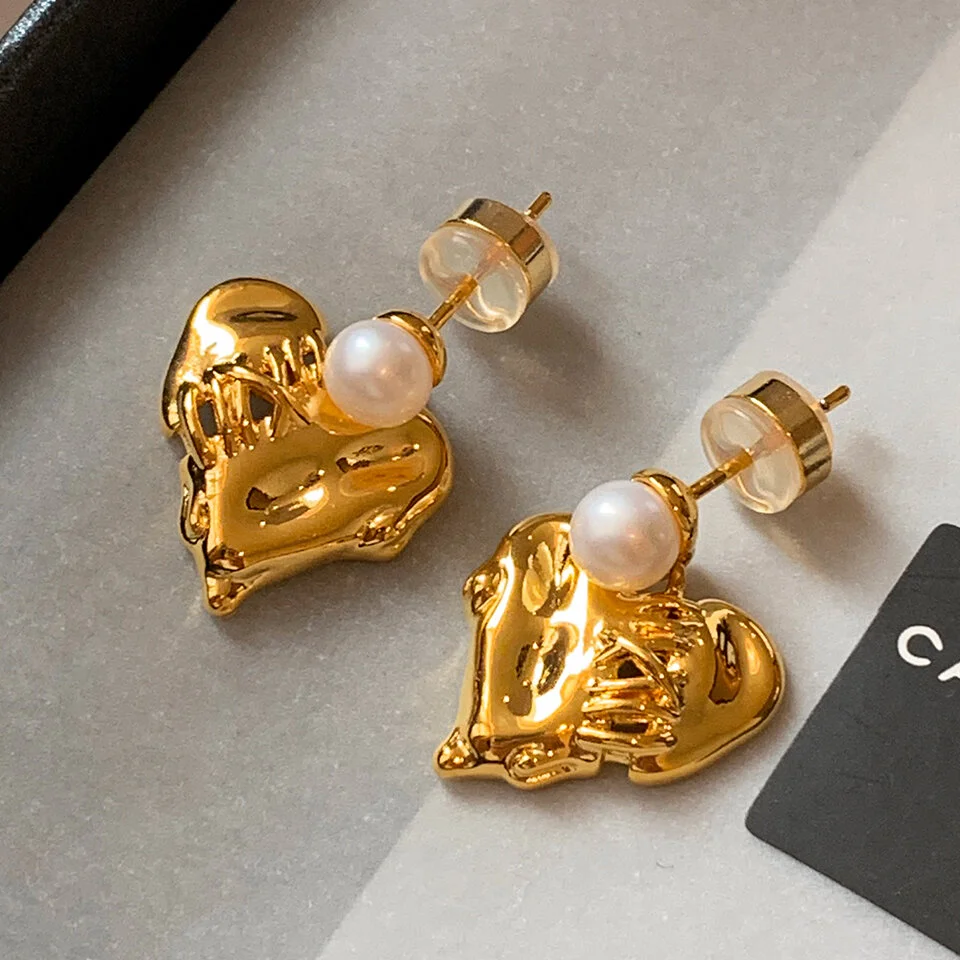
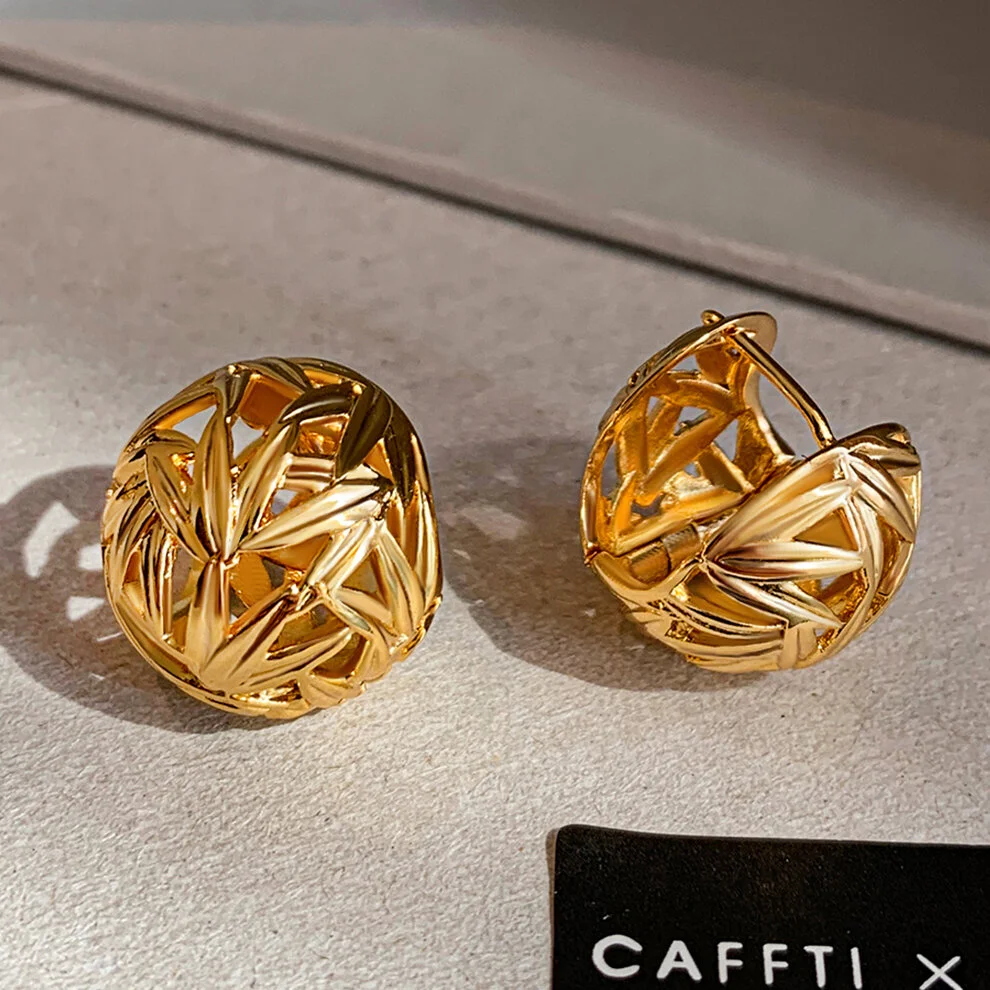
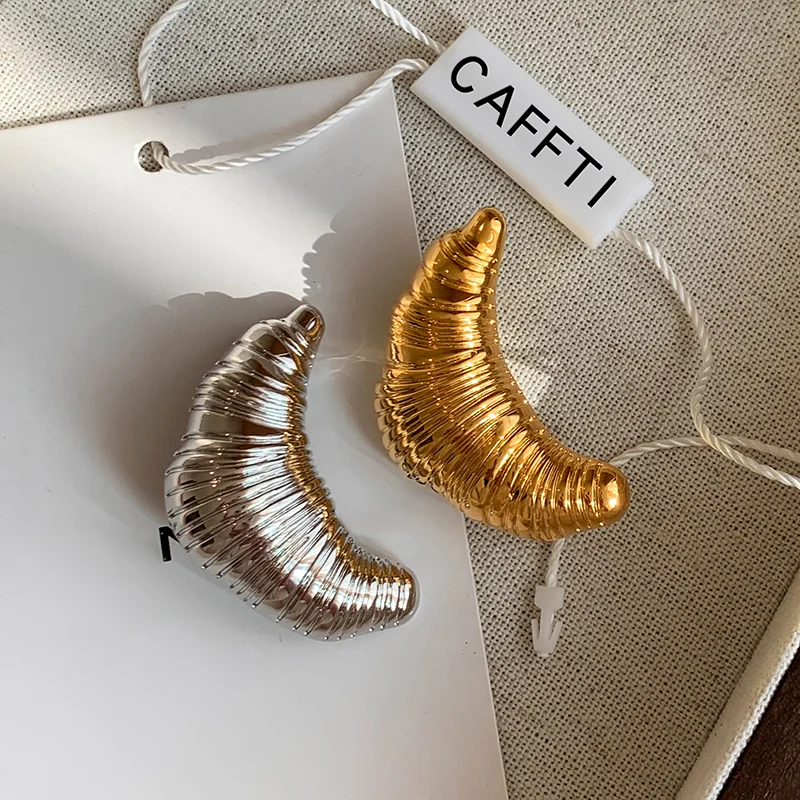
What Determines Plating and Coating Performance?
There is no single coating lifetime or thickness that applies to every jewelry product. Buyers should evaluate the complete specification, including:
- Base material and surface preparation
- Coating method, colour target and approved sample
- Product shape, edges, moving parts and skin-contact areas
- Exposure to sweat, water, perfume, cosmetics and abrasion
- Testing requirements and care instructions for the target market
A Buyer’s Checklist Before Production
- Confirm the base material. Specify jewelry-grade brass or 925 sterling silver.
- Approve the colour standard. Review a physical sample under suitable lighting before bulk production.
- Define intended use. Explain whether the collection is for everyday wear, seasonal fashion, gifting or a specific retail environment.
- Discuss testing. Confirm any project-specific coating, material or market-compliance requirements before quotation.
- Record the approved specification. Keep the sample, colour reference, finish and care guidance aligned for repeat orders.
How CAFFTI Supports Custom Jewelry Projects
CAFFTI supports independent jewelry brands, boutiques, wholesalers, fashion-accessory stores and online sellers serving the US, Europe and Australia. Projects can begin with a reference image, sketch or product brief. Our supported workflow includes design review, 3D development, sampling, material and finish assessment, production, quality inspection, logo customization and branded packaging.
Explore our jewelry production capabilities, view customized jewelry cases, or review solutions for independent brands and boutiques.
Frequently Asked Questions
Is PVD suitable for every jewelry design?
Not necessarily. The appropriate finishing method depends on the material, product construction, colour target, expected use, budget and testing requirements.
Can PVD be used on brass and 925 sterling silver?
The suitable route must be assessed for each project. Depending on the design and material preparation, an alternative plating or protective-coating process may be recommended.
How long will a jewelry finish last?
Finish performance varies by specification, design, wear conditions and after-care. CAFFTI confirms project-specific options after reviewing the product brief and approved sample.
Can buyers request testing or production specifications?
Yes. Testing requirements and production specifications can be discussed according to the design, order requirements and intended market.
Developing a Collection for the US, Europe or Australia?
Send CAFFTI your reference images, preferred material, estimated quantity, target retail positioning and packaging requirements for a project-specific finishing assessment.